

In today's digital world, maintaining your online privacy is more important than ever. With increasing concerns over data breaches, surveillance, and identity theft, users are turning to various tools to safeguard their internet activity. Among the most popular options are VPNs, or virtual private networks, and Tor, an anonymous browsing network. Each offers distinct advantages and is designed for different needs, making the choice between them a critical decision for anyone looking to enhance their online security.
When deciding whether a VPN or Tor is the right fit, it is essential to consider your specific privacy requirements and daily internet usage. A VPN provides affordable and always-on protection, allowing users to secure multiple devices with ease. On the other hand, Tor offers an unparalleled level of anonymity but can come with trade-offs in terms of speed and usability. Understanding how these technologies differ will empower you to make an informed choice that aligns with your online privacy goals.
Understanding Online Privacy
In today's digital age, online privacy has become a critical concern for individuals and organizations alike. With the increasing amount of personal information shared across the internet, it is essential to understand the risks posed by data breaches, surveillance, and tracking. Consumers must navigate a landscape where their actions, interests, and preferences can be monitored by various entities, including advertisers, government agencies, and even cybercriminals.
As users engage with the internet, various tools and technologies emerge to help protect their privacy. Understanding the distinctions between these tools is vital for making informed decisions. A Virtual Private Network or VPN, for example, offers an effective way to secure your internet connection and mask your IP address. In contrast, tools like Tor pursue anonymity through a more complex network of relays, allowing users to browse the web without revealing their identities. Depending on your specific needs, the choice between them can significantly impact your online security.
The implications of online privacy extend beyond mere data protection; they touch upon individual liberties and the right to communicate freely without fear of surveillance. As more personal information remains vulnerable to exploitation, the importance of adopting robust privacy measures cannot be overstated. By making informed choices on tools like VPNs and Tor, users can better safeguard their online activities and maintain a sense of control over their digital footprint.
What is a VPN?
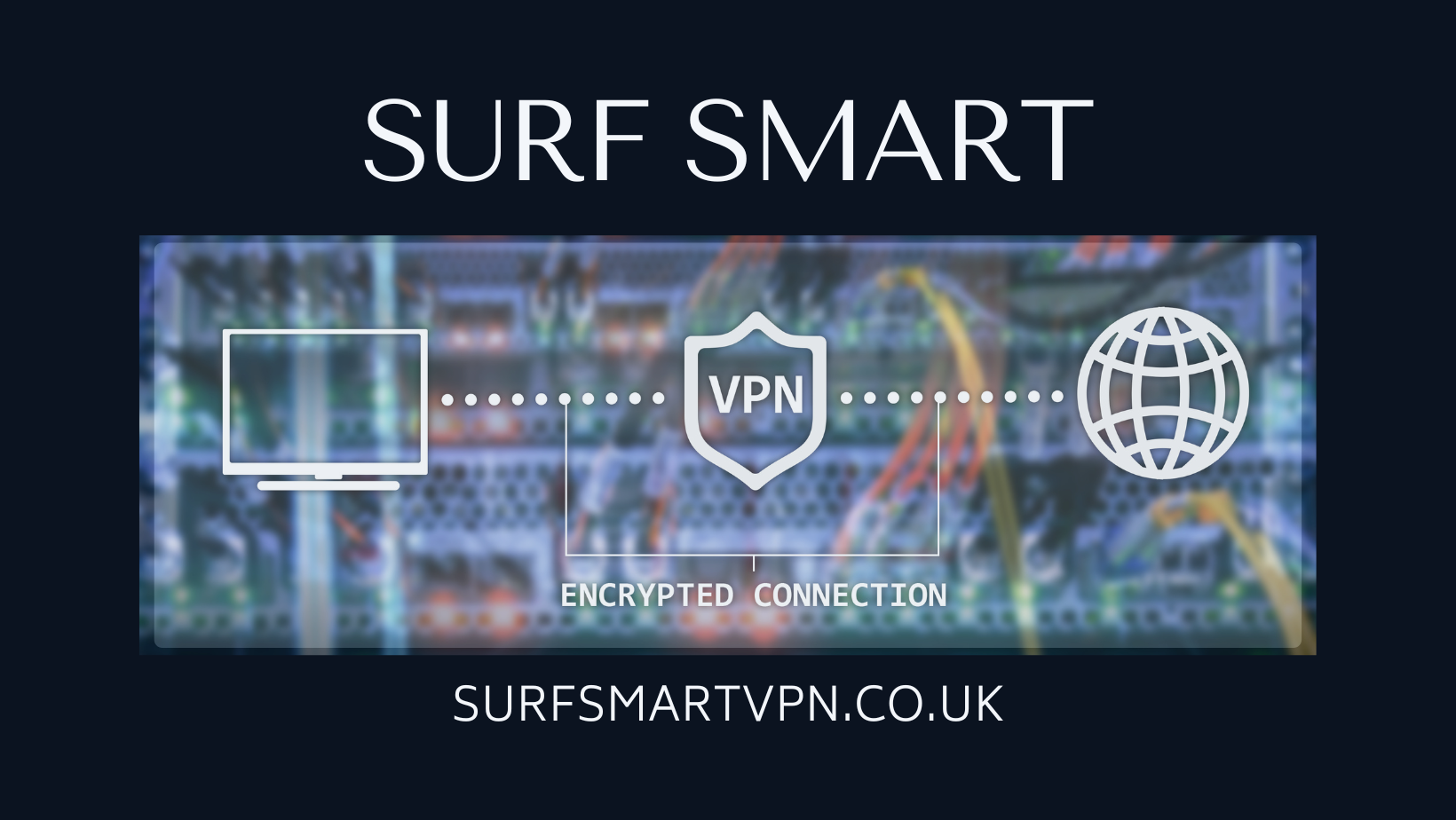
A Virtual Private Network, or VPN, is a service that creates a secure and encrypted connection over a less secure network, such as the Internet. This connection protects your online activities from eavesdroppers and ensures that your sensitive data remains private. By routing your internet connection through a remote server, a VPN masks your IP address and allows you to appear as if you are browsing from a different location, enhancing your online anonymity.
VPNs are particularly advantageous for individuals looking to secure their online identity and data. They are widely used for various purposes, such as accessing geo-restricted content, maintaining privacy on public Wi-Fi networks, and protecting sensitive information from potential hackers. With the rise of cyber threats and increasing surveillance, VPNs have become a crucial tool for safeguarding personal information and ensuring secure internet usage across multiple devices.
One of the key benefits of using a VPN is its affordability and convenience. Most VPN services offer various pricing plans that cater to different needs, allowing users to select options that fit their budget. Furthermore, many VPNs provide applications for multiple devices, enabling seamless protection whether you are using a smartphone, tablet, or computer. This always-on protection makes it easy for users to maintain their privacy without having to sacrifice convenience while browsing the internet.
What is Tor?
Tor, short for The Onion Router, is a specialized network designed for anonymous communication over the internet. It routes internet traffic through a series of volunteer-operated servers, known as nodes, which encrypt the data at each stage. This layering of encryption is akin to peeling an onion, with each layer adding security and anonymity. Users access the Tor network through the Tor Browser, which is specifically built to utilize this complex routing system, allowing individuals to browse the web while masking their IP addresses.
One of the primary purposes of Tor is to provide privacy and freedom to users, especially in regions where access to information may be restricted or surveilled. By anonymizing user traffic, Tor helps protect against various forms of network surveillance and censorship. It is often favored by individuals seeking to protect their identities online, including activists, journalists, and whistleblowers. However, while Tor provides a high level of anonymity, it also comes with its unique set of challenges, such as slower connection speeds due to the multiple layers of encryption and routing.
Despite its robust privacy features, Tor is not without limitations. Users of the Tor network may encounter issues with certain websites that block Tor traffic or have a difficult time accessing content that requires a higher level of security. Additionally, while Tor significantly enhances privacy, it does not provide the same level of data encryption as a Virtual Private Network (VPN). Thus, users must weigh their specific needs and concerns regarding online privacy when considering whether to utilize Tor or opt for alternative solutions like a VPN.
Key Differences Between VPN and Tor
When comparing VPN and Tor, one of the most significant differences lies in their architecture and approach to privacy. A VPN, or virtual private network , routes your internet traffic through a secure server controlled by a service provider, encrypting your data along the way. This protects your data from potential snooping while allowing you to access restricted content and browse the internet more privately. On the other hand, Tor operates on a decentralized network of volunteer-run servers, known as nodes. It routes your traffic through multiple layers of encryption across several nodes before reaching its final destination, providing a high level of anonymity.
Another key distinction is the speed and performance of each tool. VPNs generally offer faster connection speeds since they maintain a direct connection to a server. This makes them suitable for streaming, gaming, and other bandwidth-intensive activities across multiple devices. In contrast, Tor can be significantly slower because of its multi-layered approach to routing traffic. The encrypted journey through several nodes can introduce latency, making it less practical for everyday browsing or high-demand applications.
Finally, ease of use is also an important factor to consider. Most VPN services are designed to be user-friendly, requiring minimal setup and offering applications for multiple devices. Users can connect quickly and easily, benefitting from always-on protection. Tor, however, requires a bit more technical knowledge to set up and use effectively, often necessitating the Tor Browser for optimal results. This makes VPN a more practical choice for users seeking affordability and convenience, while Tor appeals to those needing enhanced anonymity and willing to sacrifice speed for it.
Use Cases for VPNs
One of the most common use cases for a VPN is secure remote work. As more people work from home or over public Wi-Fi networks, a virtual private network provides a reliable way to ensure that sensitive company data remains protected. By encrypting internet traffic, VPNs safeguard against potential threats such as hackers and snoopers, offering peace of mind to employees and employers alike.
Another significant application of VPN technology is bypassing geo-restrictions. Many users turn to VPNs to access content that may be blocked in their region, such as streaming services or websites. By connecting to a server in a different location, users can effectively mask their IP address and appear as if they are browsing from that region, allowing them to unlock entertainment options and information that would otherwise be unavailable.

Lastly, privacy-conscious individuals often utilize VPNs to enhance their online anonymity. By encrypting internet usage and hiding the user's actual IP address, VPNs make it difficult for third parties, including advertisers and ISPs, to track online activity. This level of protection is particularly valuable for those who engage in sensitive browsing, as it helps to maintain a more secure and private internet experience.
Use Cases for Tor
Tor is particularly valuable for individuals seeking enhanced anonymity online. Journalists working in oppressive regimes often use Tor to communicate securely with sources, protecting their identities from government surveillance. Activists and whistleblowers can also rely on Tor to share sensitive information without the fear of being tracked or identified, making it an essential tool for those pushing for social or political change.
Another appropriate use case for Tor is for users who wish to bypass censorship and access restricted content. People in countries with strict internet controls can connect to the Tor network to access blocked websites and services freely. This circumvention of censorship allows users to browse the internet without restrictions, promoting freedom of expression and information sharing.
Lastly, Tor can benefit privacy-conscious users who wish to maintain their anonymity while browsing the web. By routing their internet traffic through a series of nodes, Tor offers a high level of obscurity regarding users' locations and browsing activities. This makes it ideal for anyone concerned about tracking, whether by advertisers, government entities, or malicious actors looking to compromise personal information.
Security Features of VPNs
Virtual Private Networks, or VPNs, offer a range of security features that make them a popular choice for individuals seeking to enhance their online privacy. One of the primary advantages of using a VPN is encryption. VPNs encrypt internet traffic, which helps protect sensitive data from being intercepted by hackers, especially when using public Wi-Fi networks. This encryption ensures that even if data packets are captured, they remain unreadable without the proper decryption key.
Another important feature of VPNs is their ability to mask users' IP addresses. By routing internet traffic through a secure server, VPNs substitute the user's actual IP address with that of the VPN server, providing an additional layer of anonymity. This capability is particularly useful for safeguarding personal information from websites and services that track user habits and behaviors. Users can browse the internet without exposing their real location, making it harder for third parties to monitor their online activities.
Additionally, many VPN services offer features like a kill switch and DNS leak protection. The kill switch automatically disconnects users from the internet if the VPN connection drops, ensuring that no unencrypted data is transmitted. DNS leak protection prevents the user's DNS queries from being exposed to their internet service provider. Together, these features significantly bolster online security, making VPNs an attractive option for those seeking reliable and affordable protection for their internet activity across multiple devices.
Security Features of Tor
Tor, short for The Onion Router, is designed to provide a high level of anonymity for its users. It accomplishes this through a unique method of routing internet traffic. By sending data through multiple volunteer-operated servers, known as nodes, Tor obscures the user's IP address and encrypts their internet traffic at each layer. This onion-like layering of encryption ensures that no single node knows both the origin and the destination of the data, significantly enhancing user privacy.
One of the key security features of Tor is its ability to help users access the dark web safely. While the dark web can host illegal activities, it also provides a platform for whistleblowers, activists, and others who require privacy to share information without fear of reprisal. Tor is especially valuable in regions where internet freedom is restricted, allowing users to bypass censorship and communicate securely and anonymously.
However, it's important to note that while Tor offers robust anonymity, it may not provide complete security. Users can still be vulnerable to various attacks, such as traffic analysis or malicious exit nodes that might compromise data. As a result, those who choose to use Tor should remain vigilant about their security practices and consider additional layers of protection when necessary.
Choosing the Right Tool for You
When deciding between a VPN and Tor, it's essential to consider your specific online privacy needs. If you seek a straightforward solution for securing your internet connection on multiple devices, a VPN might be the best fit. It provides affordable and always-on protection, making it ideal for everyday browsing without the need for advanced technical knowledge. VPNs also allow you to access geo-restricted content, making them convenient for users who want to stream or browse without limitations.
On the other hand, if your primary concern is anonymity and you require a greater level of privacy, Tor could be a better choice. Utilizing a network of volunteer-run servers, Tor helps cloak your identity and location, making it more difficult for anyone to track your online activities. However, the trade-off includes slower connection speeds and potential accessibility issues with certain websites. Tor requires more dedication and technical understanding, which can be a considerable factor for casual users.
Ultimately, your choice between a VPN and Tor should reflect how you prioritize your online activities. For those who engage in a lot of streaming or frequent browsing across various platforms, a VPN’s convenience and straightforward usage make it an appealing option. Conversely, for users whose activities necessitate a higher degree of anonymity, Tor serves as a robust solution, despite its complications. Evaluating your specific privacy needs and internet habits will guide you to the right decision.
Conclusion
In evaluating VPN versus Tor, it becomes clear that the right choice largely depends on your specific security and privacy needs. For individuals seeking affordable, always-on protection across multiple devices, a virtual private network offers a user-friendly solution that maintains a consistent level of privacy without significantly compromising speed. VPNs are particularly advantageous for everyday browsing, streaming, and accessing geo-restricted content, making them a practical option for most users.
On the other hand, Tor is designed for those who require a higher level of anonymity, such as journalists, activists, or individuals in restrictive environments. The unique routing of Tor adds layers of complexity that enhance privacy but can result in slower connection speeds. Users who prioritize confidentiality above convenience may find Tor to be a suitable choice, especially when accessing sensitive information or engaging in activities where anonymity is crucial.
Ultimately, the decision between a VPN and Tor should reflect your online habits and security expectations. Whether you value speed and convenience or anonymity and enhanced privacy, understanding the strengths and limitations of each tool will help you make an informed choice that aligns with your internet security needs.